
The Science of Herbal Support for Sleep
In our modern, high-speed world, achieving deep, restorative slumber often feels like an elusive luxury. For those navigating the frustrations of restless nights, turning to natural sleep aids is a gentle, science- backed way to recalibrate the body's internal clock without the "hangover" effect of pharmaceutical sedatives. By working in harmony with our biology rather than forcing sedation, herbal remedies offer a path toward sustainable, long-term rest.

How Botanicals Impact the Nervous System
Many effective sleep-supporting herbs function by interacting with the body’s neurotransmitter systems, specifically gamma- aminobutyric acid (GABA). GABA is the primary inhibitory neurotransmitter in the brain, responsible for "braking" the excitatory signals that lead to anxiety, racing thoughts, and alertness. Certain botanical compounds act as natural modulators of these receptors, promoting a sense of calm that signals to the central nervous system that it is safe to power down.
Understanding the Sleep-Wake Cycle
The sleep-wake cycle is governed by our circadian rhythm—a complex biological clock that dictates when we feel alert and when we feel drowsy. Disruptions from artificial light, stress, or inconsistent schedules can throw this rhythm out of balance. Integrating non- toxic approaches, such as herbal support and consistent nighttime rituals, helps reinforce these natural cues. When sourcing these ingredients, it is vital to prioritize quality; platforms like nicious.ca provide access to pure, potent bulk herbs, ensuring that what you introduce into your evening routine is free from unnecessary fillers or synthetic additives.
Top Herbal Allies for Deep Rest
Nature provides a robust pharmacy for those seeking natural insomnia relief. Selecting the right botanical ally depends on your specific symptoms, whether it is physical restlessness or an overactive mind.
Valeriana officinalis (Valerian Root)
Often referred to as "nature’s tranquilizer," Valeriana officinalis has been used for centuries to support the nervous system. Its potent sedative-like properties make it a go-to for those who struggle with sleep onset. By increasing the availability of GABA in the brain, it helps ease the transition into sleep, making it an excellent choice for a grounding evening tonic.
Passiflora incarnata (Passionflower)
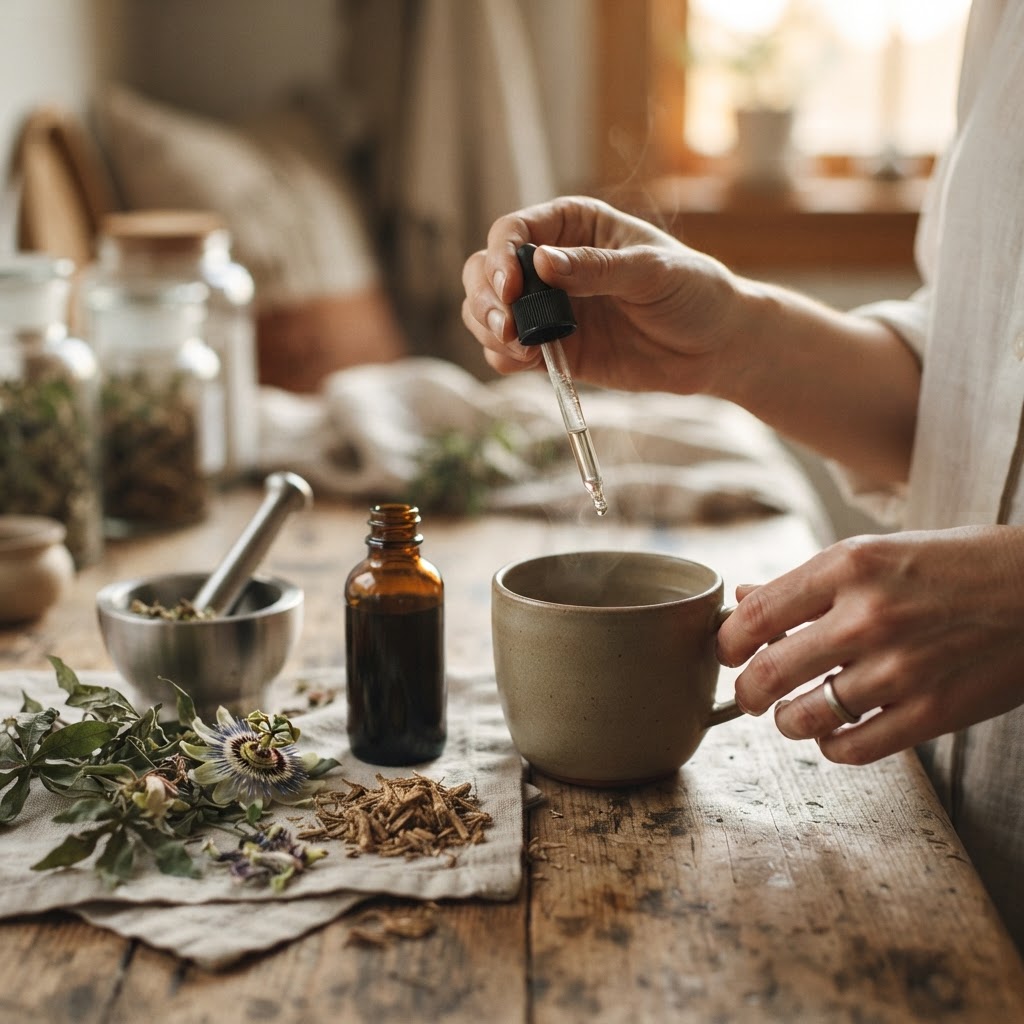
If your difficulty falling asleep stems from a "busy brain," Passiflora incarnata may be your best match. Passionflower is highly regarded for its ability to reduce nervous tension and quiet racing thoughts. It acts as a gentle sedative, helping to soften the edges of the day and prepare the mind for stillness.
Matricaria chamomilla (Chamomile)
Perhaps the most well-known of the herbal sleep aids, Matricaria chamomilla offers a mild, soothing effect that is perfect for those who prefer a gentler approach. Its flavonoids, particularly apigenin, bind to specific receptors in the brain that may decrease anxiety and initiate sleepiness. For those looking to build a sustainable wellness kit, the bulk marketplace at nicious.ca is an ideal destination to find high-quality, organic dried chamomile flowers for nightly tea rituals.
Building a Non-Toxic Bedtime Routine
Supplements are most effective when supported by a holistic lifestyle. Your bedroom should serve as a sanctuary—a place where the body feels naturally inclined to release tension and drift into sleep.
Creating a Sleep-Inducing Environment
The first step in any non-toxic sleep strategy is the elimination of environmental disruptors. Limit exposure to blue light from screens at least an hour before bed, as this light suppresses melatonin production. Furthermore, consider the materials you surround yourself with. Choosing chemical-free, eco-friendly bedding and home products from trusted sources like nicious.ca ensures you aren't breathing in synthetic volatile organic compounds (VOCs) that can disrupt respiratory health and quality of sleep.
Holistic Habits for Nighttime Decompression
Consistency is the primary driver of long-term improvement. Try incorporating magnesium-rich Epsom salt baths or a simple meditation session to signal to your body that the day has ended. By pairing these habits with the right herbal supplements, you create a physiological environment that naturally encourages sleep rather than demanding it.
Integrating Natural Sleep Aids Into Your Lifestyle
Embarking on a journey with herbal remedies is an empowering way to reclaim your health, but it should always be approached with mindfulness and respect for your body's individual chemistry.
Consulting with Holistic Professionals
While natural, herbs are potent biological agents. It is always wise to consult with a holistic health practitioner or a doctor, especially if you are currently taking prescription medications. They can help you identify if any natural sleep aids might interact with your specific health profile, ensuring that your path to better rest is safe and effective.
Safety Considerations and Interactions
When you start a new supplement, the "start low and go slow" approach is best. Begin with small doses of your chosen herb to observe how your body reacts. Additionally, always source your botanicals from reputable providers who prioritize transparency and quality control. By choosing to support your wellness through sustainable and eco-friendly marketplaces, you are not only caring for your own sleep hygiene but also supporting ethical health practices that benefit the wider community. Consistency, quality, and a commitment to a non-toxic lifestyle are the three pillars that will lead you toward the deep, restorative sleep you deserve.
Ready to reclaim your nights? Explore our collection of high-quality, pure, and sustainably sourced herbal products to begin building your personalized sleep sanctuary today.