
Why Your Kitchen Needs a Non-Toxic Upgrade
Your kitchen is the heart of your home, it is where you nourish your family and fuel your daily life. Yet, for many, this space is also a silent source of chemical exposure. From the pans we use to sear our proteins to the containers housing our leftovers, conventional kitchen tools often contain hidden substances that can leach into our food. Transitioning to non-toxic kitchenware isn't just a trend; it is a fundamental step in reclaiming your home’s wellness.
The Hidden Dangers of Conventional Plastics
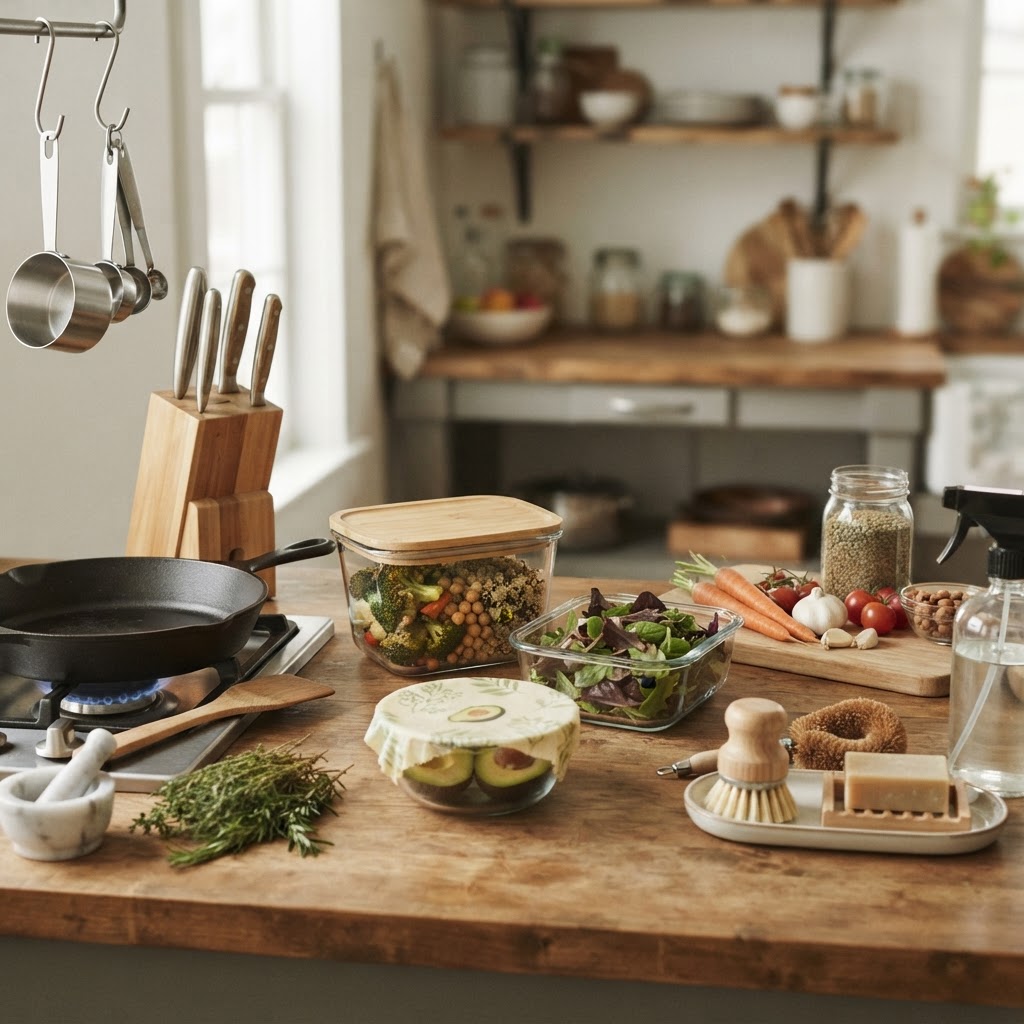
Modern convenience has come at a cost. Many standard plastic food containers and utensils are laden with endocrine-disrupting chemicals like BPA (bisphenol A) and phthalates. These substances are known to mimic hormones in the human body, potentially disrupting metabolic and reproductive health. When these plastics are heated or aged, they break down, releasing microplastics and chemical residues directly into the meals we prepare.
Defining Non-Toxic Kitchenware Standards
Building a safer environment means opting for inert, stable materials. High-quality stainless steel, borosilicate glass, and sustainably harvested wood are the gold standards for a healthy kitchen. These materials do not react with acidic foods, nor do they release synthetic compounds under heat. When you choose non-toxic kitchenware, you are prioritizing the long-term biological integrity of your family.
Benefits for Your Family and the Planet
Reducing plastic usage does more than protect your health; it drastically lowers your household waste. By investing in durable, long-lasting items, you minimize the demand for disposable culture, which directly improves the indoor air quality of your home. To simplify your transition, platforms like nicious.ca serve as a curated, trusted marketplace for those seeking third-party tested, safe home essentials that take the guesswork out of healthy living.
Essential Swaps for a Plastic-Free Pantry
Creating a plastic-free kitchen starts with how you store your dry goods and leftovers. It is time to move away from the "disposable" mindset and embrace tools designed to last for decades.
Glass Storage Containers Over Plastic Tubs
Ditch the stained, warped plastic tubs in favor of borosilicate glass. Glass is non-porous and incredibly versatile, moving safely from the refrigerator to the oven without the risk of leaching chemicals. Borosilicate glass is specifically valued for its thermal shock resistance, making it an investment that pays for itself over time.
Sustainable Food Wraps and Covers
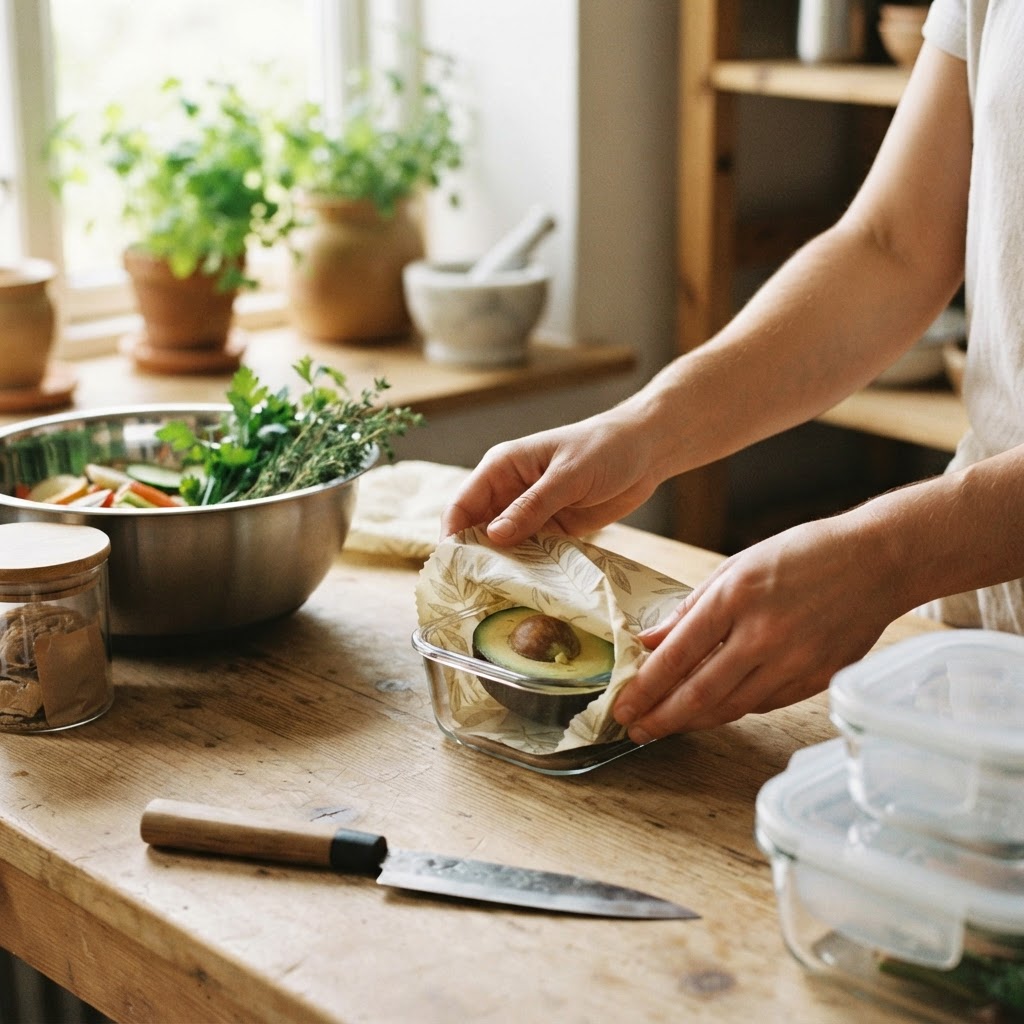
Plastic cling wrap is one of the most wasteful items in the average home. Instead, transition to beeswax wraps, which are naturally antimicrobial and breathable, or reusable silicone lids that stretch to fit any bowl. These swaps ensure your food stays fresh while keeping your pantry free of synthetic waste.
Bulk Buying and Zero-Waste Habits
Buying in bulk is the ultimate way to reduce packaging waste. When you source pantry staples like grains, nuts, and legumes in larger quantities, you save money and reduce the number of single-use plastic bags entering your home. For those looking to support a closed-loop system, you can find high-quality, eco-conscious storage solutions and dry goods at nicious.ca, helping you streamline your journey toward a waste-free pantry.
Safe Cooking: Investing in Quality Cookware
The tools you use to cook are just as important as the ingredients themselves. If your pan has a "non-stick" coating that is peeling, you are likely consuming synthetic chemicals with every meal.
Dangers of PFOA and PTFE Coatings
Traditional non-stick coatings are often made with PFOA and PTFE. At high temperatures, these coatings can degrade and release toxic fumes that are harmful not only to humans but especially to household pets. Even "PFOA-free" marketing claims can be misleading, as manufacturers often simply replace one chemical with another chemically similar compound.
The Superiority of Cast Iron and Enamel
Cast iron is the original non-stick surface. When seasoned correctly with healthy fats, cast iron creates a natural, durable patina that actually improves with age. Enameled cast iron offers the same heat retention benefits with the ease of a glass-like surface, making it perfect for acidic sauces like tomato or lemon-based recipes. Both materials are free of synthetic polymers and can last for generations.
Maintaining Your Non-Toxic Tools
Caring for natural cookware is simple. Avoid harsh scrubbing brushes and acidic soaps; instead, use warm water and gentle tools. By maintaining your seasoned pans, you ensure they remain a reliable part of your culinary repertoire for a lifetime. When you are ready to upgrade your collection, consider professional-grade, toxin-free pans from the nicious product line, ensuring every dish you create is as safe as it is delicious.
Green Cleaning and Kitchen Maintenance
Your kitchen maintenance routine should be as clean as the food you eat. Synthetic surface sprays often contain volatile organic compounds (VOCs) that linger in your indoor air long after you have finished wiping the counters.
Ditching Toxic Sprays for Natural Alternatives
You don't need harsh chemicals to achieve a spotless home. A simple mixture of distilled white vinegar and water can tackle most surface grime, while essential oils like lemon or tea tree add natural antimicrobial power and a fresh scent.
The Role of Botanical Scouring Agents
For stubborn grease or burnt pans, reach for baking soda or sea salt. These natural abrasives provide excellent scrubbing power without scratching surfaces or leaving behind synthetic residues. Pairing these with natural loofah sponges—which are compostable—instead of plastic microfiber cloths helps reduce the amount of microplastics that enter the water system during dishwashing.
Choosing Sustainable Dishware
Every small choice adds up. From selecting bamboo dish brushes to utilizing eco-friendly cleaning supplies found at nicious.ca, you can transform your kitchen into a sanctuary of wellness. By prioritizing non-toxic kitchenware and sustainable maintenance, you are building a home that supports both the health of your loved ones and the planet.
Transitioning to a non-toxic kitchen is a rewarding journey. Start by replacing one item at a time, and remember that quality always trumps quantity. Visit nicious.ca today to explore our curated selection of essentials and take the first step toward a healthier, more sustainable home.